Arc'teryx's Groundbreaking Circular Jacket: The Sperro SV
Canadian outdoor clothing brand Arc'teryx set a high bar for its most circular product to date, refusing to compromise on performance for sustainability. According to Alexandra Plante, VP of Advanced Concepts, their aim was to create a product that didn't force consumers to accept lower performance in exchange for a reduced environmental impact.
Achieving this balance between performance, impact, durability, and recyclability proved to be a significant challenge. It took Arc'teryx four years to develop the Sperro SV, a technical hardshell jacket set to launch on September 4th. Plante believes the wait was justified: the Sperro SV is the first fashion product globally, from any brand, to receive the Testex Circularity label. This label, developed by the Swiss testing and certification institute Testex, provides a standardized framework for verifying circularity claims.
The Sperro SV also marks the debut of Arc'teryx's new circularity initiative, System 0. This comprehensive program integrates product design, preferred materials, repair services, manufacturing processes, consumer engagement, and responsible end-of-life solutions. CEO Stuart Haselden describes System 0 as a fundamental shift in how the company approaches and builds its business for the future.
Tackling the Toughest Challenges First
While many brands opt for simpler, more easily sustainable items like t-shirts, fleeces, or basic lightweight jackets, Arc'teryx took a different approach. Plante explained that the hardshell is their most iconic and technically complex product category. It's the gear trusted by their most demanding users, including mountain guides, professional athletes, and search and rescue teams. By choosing the hardshell, a notoriously difficult product to make sustainably, Arc'teryx aimed to prove that if they could succeed with it, they could achieve circularity across their entire product range.
Many brands, including Houdini and VF Corporation's Napapijri and The North Face, focus on a monomaterial design for their circular products. This approach uses a single fiber type, allowing garments to be chemically recycled as a whole without the costly and time-consuming process of disassembly. For everyday apparel, cotton is often the monomaterial of choice. However, in the outdoor industry, where synthetic materials are essential for properties like waterproofing and stretch, nylon 6 has become the industry standard. Its durability and single monomer structure make it more amenable to chemical recycling.
For Arc'teryx, a monomaterial design wasn't a viable option because the technical requirements of their garments necessitate more complex fabrication methods.
Instead, the Sperro SV jacket is constructed from a three-layer Gore-Tex fabric. The face fabric (inner textile layer) and the backer fabric (outer textile layer) are made from recycled econyl nylon 6. This choice aligns with current industry recycling capabilities, maximizing material recovery. At the end of its life, these components can be chemically recycled by Econyl's Italian manufacturer, Aquafil. Other components, such as the reflector, zips, sliders, cord locks, and the middle film-like membrane layer, are not currently recyclable, although pilot testing for membrane recycling has been conducted.
Fresh materials — Martial Arts news
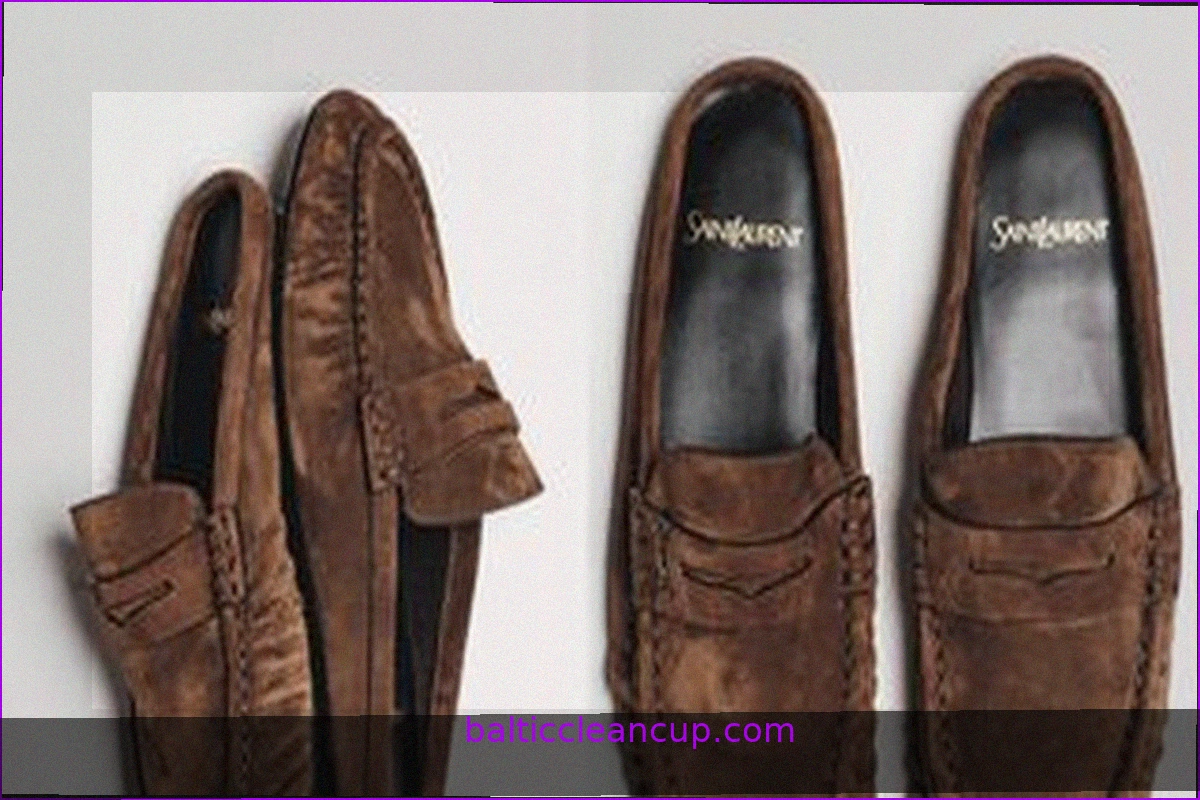
The Best Loafers for Women to Invest In for 2026
Loafers for women offer a sophisticated yet relaxed alternative to ballet flats and oxfords, lending an effortless polish to everyday outfits. Their signature sturdy leather uppers and substantial soles make them suitable for year-round wear in an elegant silhouette. Whether paired with tailore
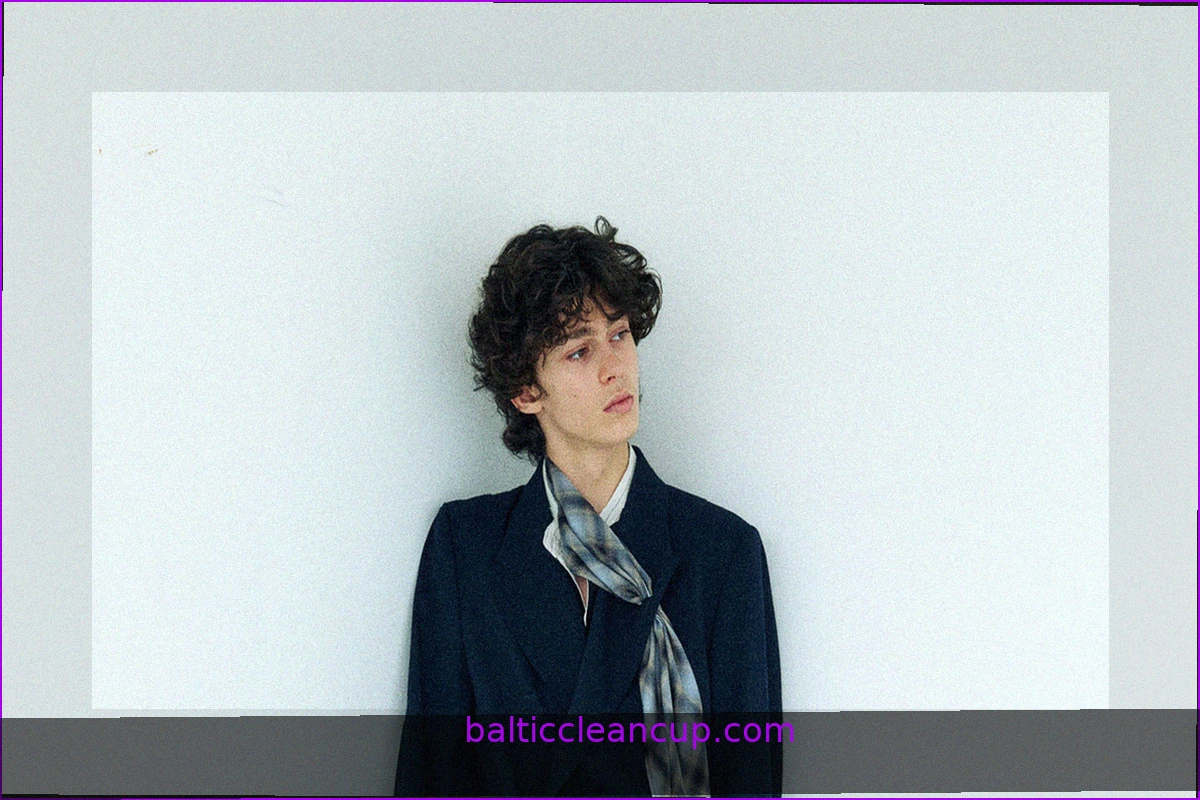
Tamme Tokyo Spring 2027: The Art of Docking
In Japanese fashion circles, the term "docking" is frequently used, yet it remains largely unfamiliar in English. This practice involves merging elements from two different garments to create a single, unified piece—think of a nylon jacket combined with a cotton shirt, or a sneaker fus

Retinol vs. Hyaluronic Acid: Which is Better for Fine Lines and Hydration?
Retinol is a more targeted ingredient, ideal for addressing early signs of aging like fine lines, uneven skin texture, pigmentation, and acne. The key is to use a strength your skin can tolerate consistently. It's recommended to start introducing retinol in your mid-to-late twenti

Endometriosis and Its Impact on My Beauty Routine
After a decade of enduring severe pain, being dismissed by medical professionals, and facing unanswered questions, I received my endometriosis diagnosis just before my 27th birthday. The initial wave of relief was quickly followed by a sense of dread. Endometriosis is not merely a reproductive

Sandra Bullock: Maisie Williams' Muse for Practical Magic 2 Fashion
The highly anticipated sequel, Practical Magic 2, is set to be a major cinematic event this September. The follow-up to the beloved 1998 film, which starred Nicole Kidman and Sandra Bullock as the magical Owens sisters, will hit theaters on September 11. This time, the cast is
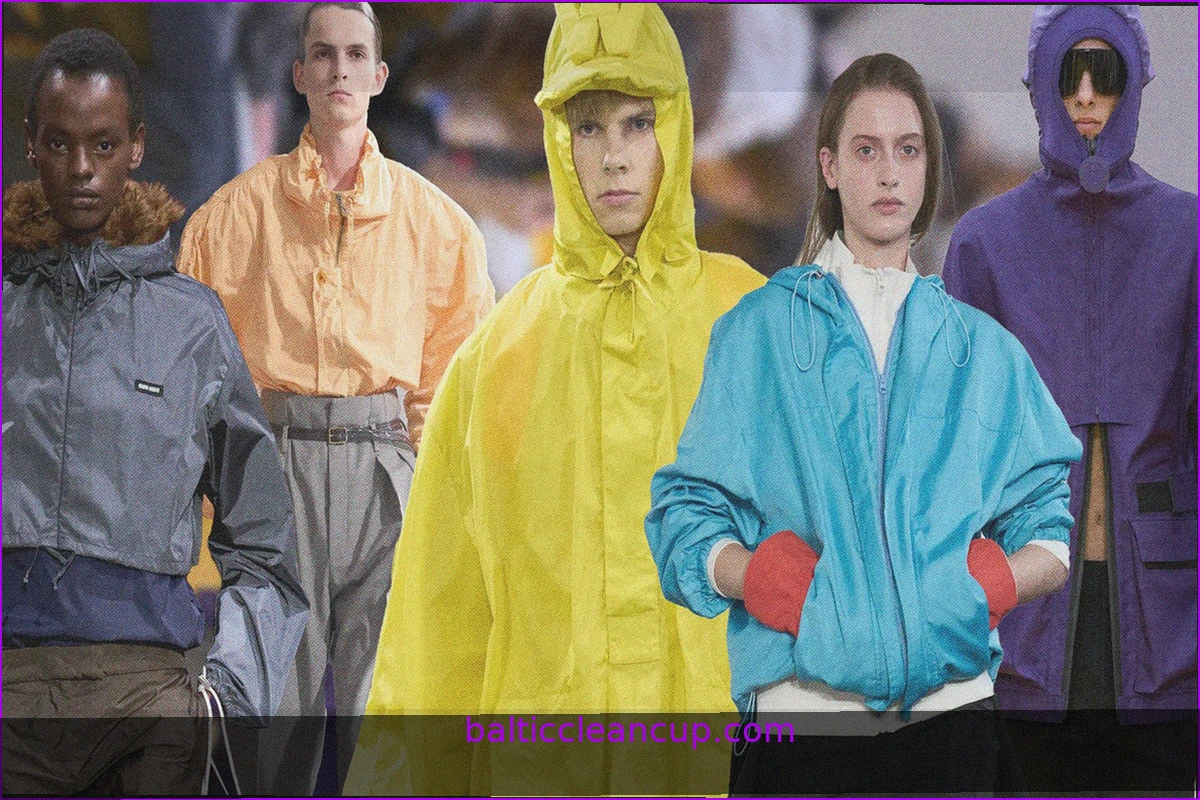
The Allure of the Trendy Windbreaker for Fall
Although it might feel a bit early, the cozy autumn season is fast approaching. The moment that first cool breeze arrives, it signals the time to bring out our favorite knitwear, dust off our winter coats, and swap our iced coffees for seasonal favorites. While this might sound predic