Un paseo por el mítico Nassau Memorial Coliseum
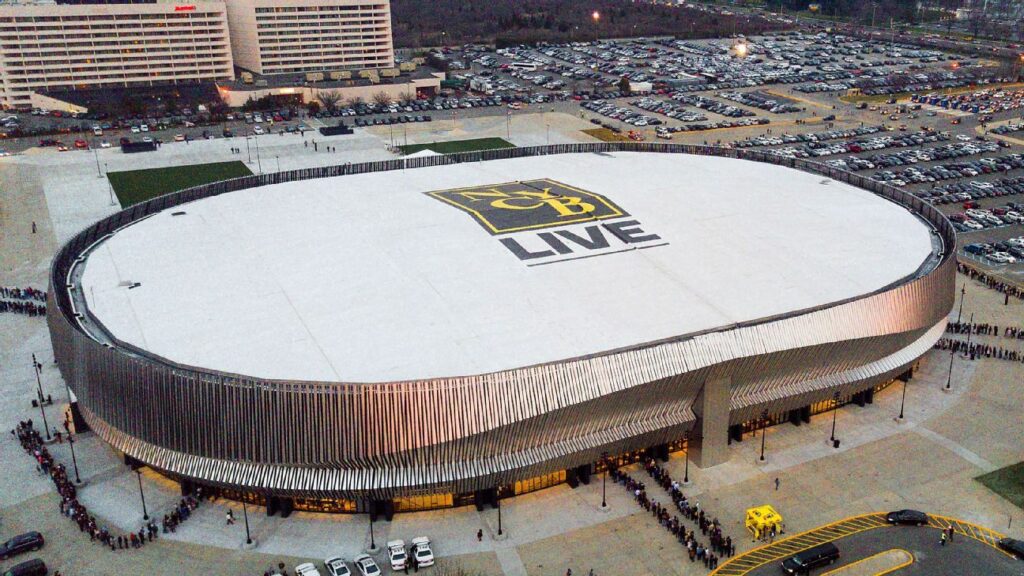
El icónico Nassau Veterans Memorial Coliseum, hogar histórico de los New York Islanders, se despidió de la NHL tras la eliminación del equipo en los playoffs de 2022. Los Islanders llegaron a la penúltima ronda, cayendo ante los Tampa Bay Lightning en una memorable postemporada.
El hockey como motor inicial del pabellón
Situado en Uniondale, al este de Nueva York, el Coliseum fue construido entre 1969 y 1972. Originalmente, la WHA (World Hockey Association), una liga rival de la NHL, consideró el recinto para los New York Raiders. Sin embargo, las autoridades del condado de Nassau dudaron de la profesionalidad de la WHA y rechazaron la propuesta. Aprovechando la oportunidad, la NHL se expandió en la región, dando origen a los New York Islanders, quienes sí recibieron el visto bueno para establecer su hogar en el Coliseum.
El Coliseum también fue casa de los Nets de la ABA/NBA por varios años, compartiendo su espacio con los Islanders.
Además del hockey, el baloncesto profesional tuvo un papel importante en los primeros años del Coliseum. Los New York Nets de la ABA/NBA jugaron allí desde 1972 hasta 1977, logrando sus únicos campeonatos en 1974 y 1976.
- Buenos registros de los Isles en el Coliseum
Los Islanders han jugado la mayor parte de su historia como locales en el Nassau Coliseum. Solo el Barclays Center sirvió como su sede principal por un corto período (2015-2020) antes de que el equipo regresara a tiempo completo al Coliseum. En esta cancha histórica, la franquicia de Uniondale disputó 1,738 partidos, con 877 victorias y un impresionante total de 5,952 goles.
Modificaciones en la capacidad para albergar espectadores
Conocido popularmente como 'El Coliseum', el recinto ha experimentado varias remodelaciones significativas a lo largo de los años, lo que ha modificado su capacidad de aforo. Antes de su última gran reforma, era el segundo estadio de la NHL con menor capacidad para espectadores (16,170), superando solo al Canada Life Centre de Winnipeg (15,321). Tras el retorno de los Islanders a Uniondale, la capacidad se redujo a 13,917 asientos, una cifra considerada desactualizada para los estándares de la liga.

- 13,571 (1972–1973)
- 14,665 (1972–1973)
- 14,865 (1973–1976)
- 15,317 (1976–1978)
- 14,995 (1978–1980)
- 15,008 (1980–1981)
- 15,230 (1982–1983)
- 15,850 (1983–1984)
- 16,002 (1984–1986)
- 16,270 (1986–1987)
- 16,297 (1987–2001)
- 16,234 (2001–2009)
- 16,250 (2009–2012)
- 16,170 (2012–2015)
- 13,917 (2017–hasta el día de hoy)
El UBS Arena coge el testigo
Desde octubre de 2021, los Islanders inauguraron su nueva casa, el UBS Arena, coincidiendo con el inicio de la temporada de la NHL. Este moderno estadio, ubicado no muy lejos del Nassau Coliseum, cuenta con una capacidad para 17,113 espectadores y está equipado con las últimas innovaciones tecnológicas.
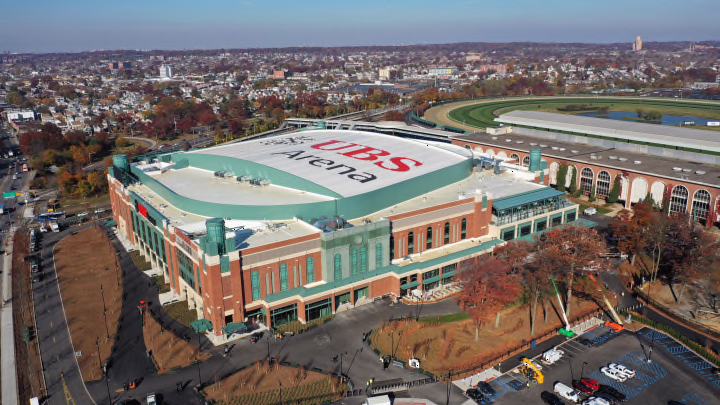
El Banco Suizo UBS adquirió los derechos de nombre del nuevo recinto, que pasó de llamarse Belmont Arena a UBS Arena. El acuerdo, valorado en 350 millones de dólares, tendrá una duración de 20 años.
A Stroll Through the Legendary Nassau Memorial Coliseum
The iconic Nassau Veterans Memorial Coliseum, the historic home of the New York Islanders, officially bid farewell to the NHL after the team's elimination in the 2022 playoffs. The Islanders reached the penultimate round, falling to the Tampa Bay Lightning in a memorable postseason run.
Hockey as the Arena's Initial Driving Force
Located in Uniondale, east of New York City, the Coliseum was constructed between 1969 and 1972. Initially, the WHA (World Hockey Association), a rival league to the NHL at the time, considered the venue for the New York Raiders. However, Nassau County officials questioned the WHA's professionalism and rejected the proposal. Seizing the opportunity, the NHL expanded into the region, leading to the birth of the New York Islanders, who were then approved to make the Coliseum their home.
The Coliseum also served as home to the ABA/NBA Nets for several years, sharing its space with the Islanders.
Beyond hockey, professional basketball played a significant role in the Coliseum's early years. The New York Nets of the ABA/NBA played their home games there from 1972 to 1977, winning their only championships in 1974 and 1976.
- Good Records for the Isles at the Coliseum
The Islanders spent most of their history playing home games at the Nassau Coliseum. Only the Barclays Center served as their primary venue for a brief period (2015-2020) before the team returned full-time to the Coliseum. In this historic arena, the Uniondale franchise played a total of 1,738 games, securing 877 victories and an impressive 5,952 goals.
Capacity Modifications for Spectators
Popularly known as 'The Coliseum,' the venue has undergone several significant renovations throughout the years, altering its seating capacity. Prior to its last major refurbishment, it was the second-smallest arena in the NHL by fan capacity (16,170), only larger than Winnipeg's Canada Life Centre (15,321). Following the Islanders' return to Uniondale, the seating capacity dropped to 13,917, a figure considered outdated for league standards.
- 13,571 (1972–1973)
- 14,665 (1972–1973)
- 14,865 (1973–1976)
- 15,317 (1976–1978)
- 14,995 (1978–1980)
- 15,008 (1980–1981)
- 15,230 (1982–1983)
- 15,850 (1983–1984)
- 16,002 (1984–1986)
- 16,270 (1986–1987)
- 16,297 (1987–2001)
- 16,234 (2001–2009)
- 16,250 (2009–2012)
- 16,170 (2012–2015)
- 13,917 (2017–present)
UBS Arena Takes Over
Starting in October 2021, the Islanders inaugurated their new home, the UBS Arena, coinciding with the start of the NHL season. This modern stadium, located not far from the Nassau Coliseum, has a capacity for 17,113 spectators and is equipped with the latest technological advantages.
Swiss bank UBS acquired the naming rights for the new venue, which transitioned from being called Belmont Arena to UBS Arena. The deal, valued at $350 million, spans 20 years.
Fresh materials — NHL

Mike Sullivan: Architect of the Pittsburgh Penguins' Last Dynasty
In the highly competitive landscape of the National Hockey League (NHL), only a handful of coaches manage to leave an indelible mark on a franchise's history. Mike Sullivan is one of those select strategists who not only transformed a team but also built a lasting legacy. With two con

NHL Central Division: A Fan's Guide to Every Team
Are you new to hockey after watching the Olympics or the series More Than Rivals, and wondering where to start with the NHL? We've got you covered! We offer a dictionary and a comprehensive guide, and we've assembled a "super-team" of fans (like the Avengers) to introduce you to each team. Ple

A Look Back at the Legendary Nassau Veterans Memorial Coliseum
The iconic home of the New York Islanders, the Nassau Veterans Memorial Coliseum, officially bid farewell to its tenure in the NHL world. This departure followed the Islanders' elimination during the 2022 postseason, where they were defeated by the Tampa Bay Lightning, having advanced to the p

The Bruise Brothers: The Most Feared Duo in Red Wings and NHL History
Drafted in the 1983 NHL Entry Draft, the same year the Detroit Red Wings selected Steve Yzerman fourth overall, Bob Probert and Joey Kocur forged one of the most formidable duos in the history of the franchise and the entire league. During an era defined by physical hockey, both embraced the ro

February NHL Content Recap: Articles, Interviews & Reports
With February now concluded, it's the perfect time to bring together all the captivating articles, in-depth interviews, thoughtful opinion pieces, and comprehensive reports that were published during the month. This curated compilation offers an excellent opportunity for readers to revisit the
New York Islanders Logos: A Journey Through NHL History
NHL team logos have always garnered significant attention due to their prominent display on uniforms, a feature often more pronounced compared to franchises in other major North American sports leagues like the NFL, MLB, and NBA, where logos might be less visible on player attire, though still