NASA Ames' Crucial Role in the Roman Space Telescope Mission
The upcoming launch of NASA's Nancy Grace Roman Space Telescope is poised to revolutionize our understanding of the universe. This ambitious observatory will delve into profound questions about dark energy, dark matter, exoplanets, and galactic evolution. A significant portion of its scientific capabilities is thanks to the innovative contributions from researchers at NASA's Ames Research Center, located in Silicon Valley.
Advanced Tools for Image Clarity
The Roman telescope's primary instrument, the Wide Field Instrument, will capture exceptionally detailed images of the cosmos in optical and near-infrared light. To ensure the highest image quality, a specialized software suite named ROSALIA (Roman Sky Analyst for Low Surface Brightness Imaging and Astronomy) has been developed. This collaborative effort by NASA Ames, NASA's Goddard Space Flight Center, and IPAC/Caltech, predicts and effectively removes unwanted light sources that can degrade images. These sources include scattered light within the telescope's optics, which can create false planetary or nebulae-like artifacts, and natural phenomena like zodiacal light – sunlight scattered by interplanetary dust. ROSALIA's ability to clean these contaminants, including faint background light crucial for studying the formation of large cosmic structures, will allow astronomers to reveal the faintest details of distant galaxies.
Groundbreaking Technology for Exoplanet Discovery
Another key instrument on the Roman telescope is the Roman Coronagraph, designed to directly image planets around other stars. This coronagraph employs advanced deformable mirrors to block out the overwhelming light of host stars, creating a "dark zone" where faint exoplanets can be detected. While current coronagraphs are typically limited to observing planets in single-star systems, researchers at NASA Ames have developed a revolutionary technology called Multi-Star Wavefront Control (MSWC). This innovative system, featuring specialized light-blocking masks and sophisticated software, is designed to suppress starlight from multiple stars in a system, significantly expanding the potential for exoplanet detection in binary or multiple-star systems. These MSWC masks have been integrated into the Roman Coronagraph as an added capability, with the potential for use after the primary technology demonstration phase. This advancement is particularly exciting as roughly half of Sun-like stars exist in multi-star systems, and studying exoplanets in these environments can offer crucial insights into planetary formation and the potential for life beyond our solar system. The Alpha Centauri system, a nearby triple-star system, is a prime target for future MSWC observations.
Expertise in Supercomputing and Mission Operations
The Advanced Supercomputing Division at NASA Ames is also providing vital support to the Roman mission. Their extensive experience in data pipelines and mission operations offers critical guidance during the telescope's development, ensuring the reliability of ground systems and efficient processing of high-quality scientific data. Furthermore, Ames' supercomputing experts have collaborated with the MSWC team to develop high-performance computing tools for simulating multi-star wavefront control, validating the feasibility of this advanced exoplanet detection technique.
NASA Ames' Crucial Role in the Roman Space Telescope Mission
NASA's Nancy Grace Roman Space Telescope is set to launch, promising to deepen our understanding of the universe by exploring vast cosmic regions and answering fundamental questions about dark energy, dark matter, exoplanets, and the evolution of galaxies. Key contributions from NASA's Ames Research Center are instrumental in advancing Roman's scientific goals through the center's facilities, expertise, and innovations.
Tools to Predict and Remove Glare
Roman's primary camera, the Wide Field Instrument, will capture expansive, high-resolution images of the universe in optical and near-infrared light, enabling astronomers to unravel cosmic mysteries. To combat image degradation caused by glare and enhance the characterization of cosmic structures, a novel software called ROSALIA (Roman Sky Analyst for Low Surface Brightness Imaging and Astronomy) has been developed by a team at NASA Ames, with collaborators from NASA's Goddard Space Flight Center and IPAC/Caltech. ROSALIA predicts and eliminates unwanted light from Roman's images. This stray light, caused by photons scattering within the telescope's optical system, can create deceptive artifacts mimicking real celestial objects. The software will enable astronomers to optimize observation plans to prevent such glints from contaminating scientific targets. Beyond bright glints, diffuse stray light, and natural zodiacal light from interplanetary dust, interfere with observations of the universe's darkest regions, which are crucial for understanding the formation of large cosmic structures. ROSALIA effectively predicts and removes these background contaminations, revealing faint, diffuse emissions at galaxy edges where cosmic evolutionary histories are hidden.
New 'Multi-Star' Technology for Exoplanet Detection
The Roman Coronagraph Instrument, one of Roman's two instruments, will showcase cutting-edge technologies for directly imaging planets around other stars. It uses masks and deformable mirrors to suppress starlight, creating a "dark zone" to observe faint orbiting planets. While the baseline operation is for single-star systems, roughly half of Sun-like stars are in multi-star systems. The ability to image exoplanets in these systems is crucial for increasing the likelihood of detecting extraterrestrial life and understanding planetary formation differences. Researchers at NASA Ames are addressing this challenge with Multi-Star Wavefront Control (MSWC), a technology featuring custom light-blocking masks and software to suppress light from multiple stars. Through a collaboration with NASA's Jet Propulsion Laboratory, these MSWC masks are included on the Roman Coronagraph, offering an expanded capability beyond its standard modes. The nearest star system, Alpha Centauri, is a prime example of a multi-star system, and the Ames MSWC team is developing the necessary capabilities to observe it, especially given the potential exoplanet candidate identified around Alpha Centauri A.
Advanced Supercomputing Support
Experts from NASA's Advanced Supercomputing Division at Ames are contributing to Roman's scientific endeavors by leveraging their extensive experience in data pipelines and mission operations. They provide guidance to the Roman project throughout key development phases, ensuring reliable ground-based systems and efficient, high-quality science data processing. The NASA Advanced Supercomputing researchers have also partnered with the Ames MSWC team to develop high-performance computing tools for multi-star wavefront control simulations and feasibility studies.
NASA Ames' Critical Contributions to the Roman Mission
NASA's Nancy Grace Roman Space Telescope, slated for launch, is designed to address pivotal questions in cosmology, particularly concerning dark energy, exoplanets, and infrared astrophysics. Researchers at NASA's Ames Research Center in Silicon Valley are making significant advancements to Roman's scientific objectives through their specialized facilities, expertise, and innovations.
Innovative Software for Image Enhancement
The Roman telescope's Wide Field Instrument will capture extensive, high-resolution imagery of the universe. To improve the clarity and scientific value of these images, particularly in observing faint cosmic structures, a sophisticated software package known as ROSALIA (Roman Sky Analyst for Low Surface Brightness Imaging and Astronomy) has been developed. This collaborative project, involving NASA Ames, NASA's Goddard Space Flight Center, and IPAC/Caltech, focuses on predicting and mitigating image quality issues caused by various forms of light contamination. These include internal light scattering within the telescope, which can create misleading artifacts, and natural phenomena such as zodiacal light, caused by sunlight scattering off interplanetary dust. ROSALIA's capability to remove these background distractions is essential for astronomers to study the faint outer regions of galaxies, providing crucial data on their evolutionary histories.
Groundbreaking Technology for Detecting Exoplanets in Multiple-Star Systems
One of Roman's key instruments, the Coronagraph, is engineered to directly image exoplanets. It utilizes advanced optical elements, including deformable mirrors, to suppress the light from host stars. A significant challenge in exoplanet detection lies in multi-star systems, as the combined light from multiple stars can obscure faint planets. NASA Ames researchers have developed an innovative technology called Multi-Star Wavefront Control (MSWC), which employs specialized masks and algorithms to counteract the light from multiple stars. This technology, integrated into the Roman Coronagraph through a collaboration with NASA's Jet Propulsion Laboratory, expands the telescope's capacity to find exoplanets in systems beyond our own solar system's single-star configuration. This is particularly important as a considerable fraction of stars are part of multi-star systems, and studying exoplanets within them offers vital clues about planetary formation and the potential for life. The proximity of the Alpha Centauri system, a triple-star system, makes it a compelling target for future MSWC observations.
Leveraging Supercomputing for Mission Success
Experts within NASA's Advanced Supercomputing Division at Ames are contributing their considerable experience in data processing and mission operations to support the Roman mission. Their involvement ensures the robust performance of ground systems and the efficient, high-quality processing of scientific data. The Ames supercomputing team has also collaborated with the MSWC team to develop advanced computational tools necessary for simulating multi-star wavefront control and assessing the viability of this novel detection technique.
Learn more: The Nancy Grace Roman Space Telescope mission: https://science.nasa.gov/mission/roman-space-telescope/
For news media: Roman media resources: https://science.nasa.gov/mission/roman-space-telescope/roman-media-resources/
Members of the news media interested in covering this topic should reach out to the NASA Ames newsroom.
SEO Title
SEO Description
Fresh materials — MMA News
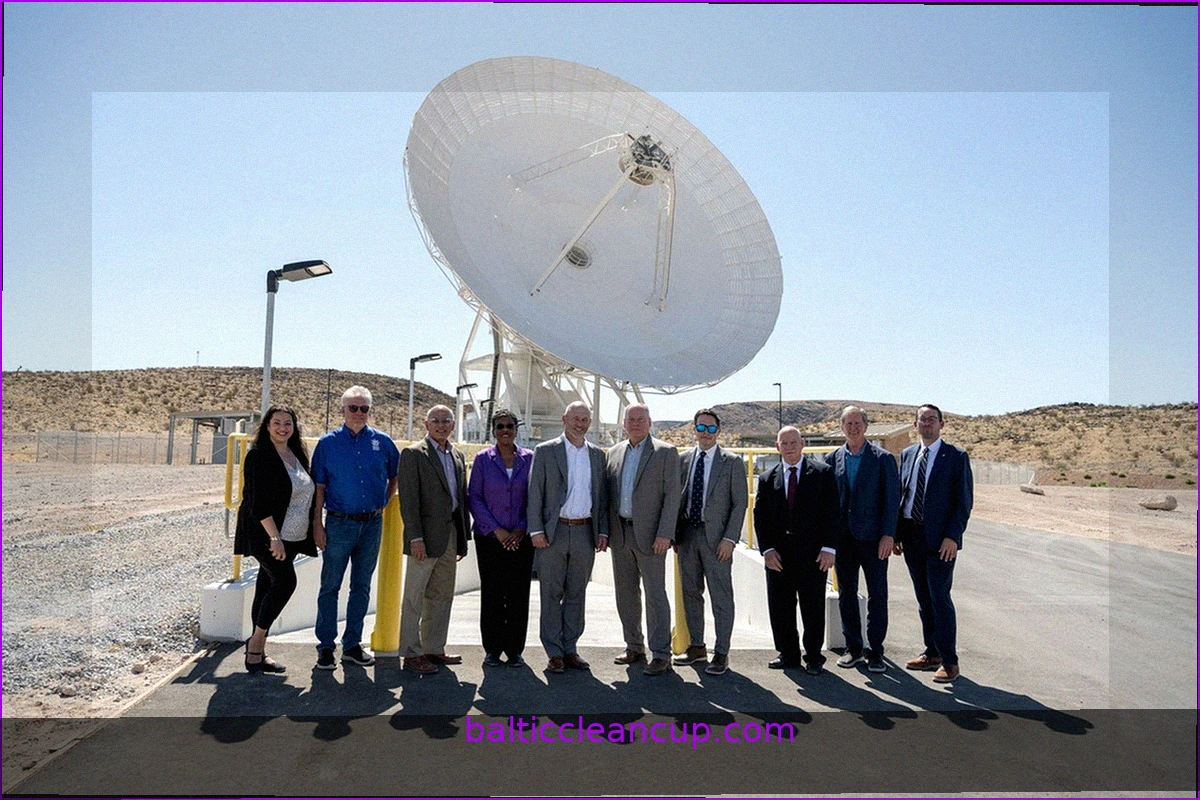
Ribbon-Cutting Ceremony for NASA's Deep Space Station 23
NASA/JPL-Caltech NASA Headquarters, Jet Propulsion Laboratory (JPL), and the Deep Space Network (DSN) leadership recently convened for a ribbon-cutting event to inaugurate Deep Space Station 23 (DSS-23) at the D
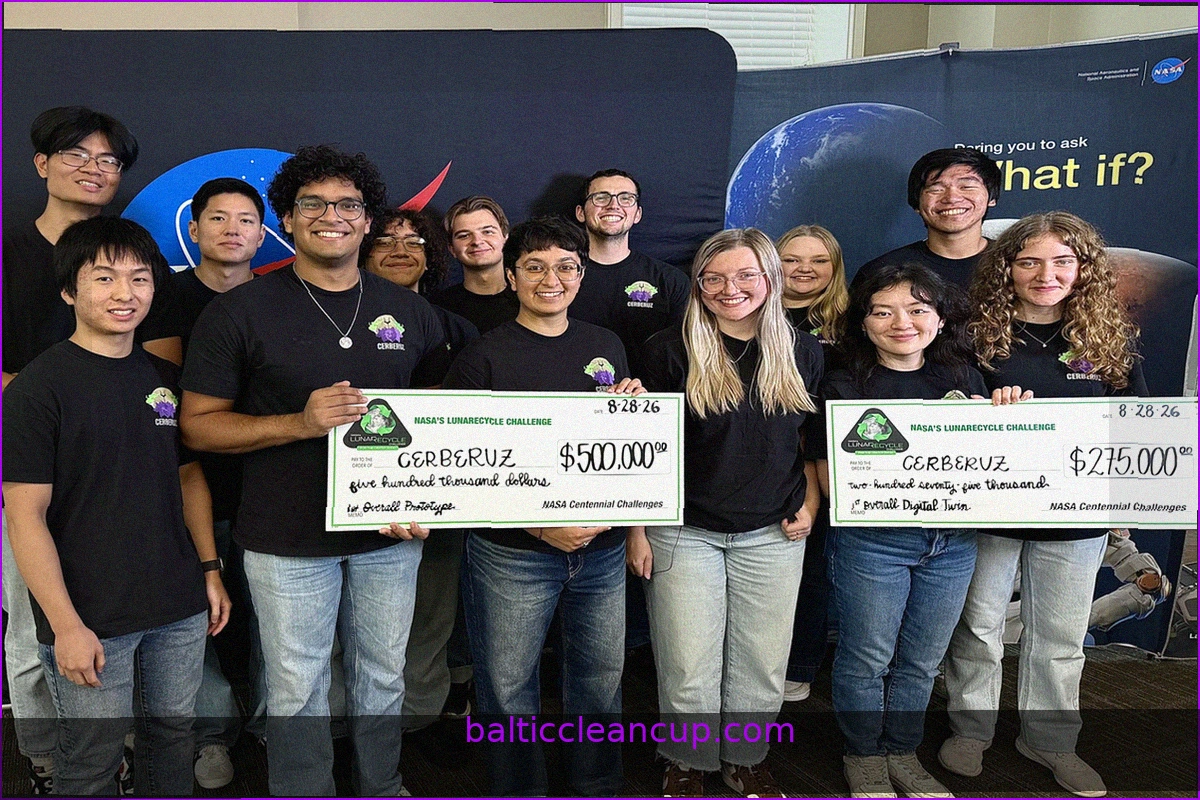
MIT Team Wins NASA's LunaRecycle Challenge Phase 2 for Waste Recycling Innovation
NASA has announced a team from the Massachusetts Institute of Technology (MIT) as the grand prize winner of Phase 2 of its LunaRecycle Challenge. This competition aims to develop innovative solutions for reducing waste during space missions by recycling everyday materials like fabrics
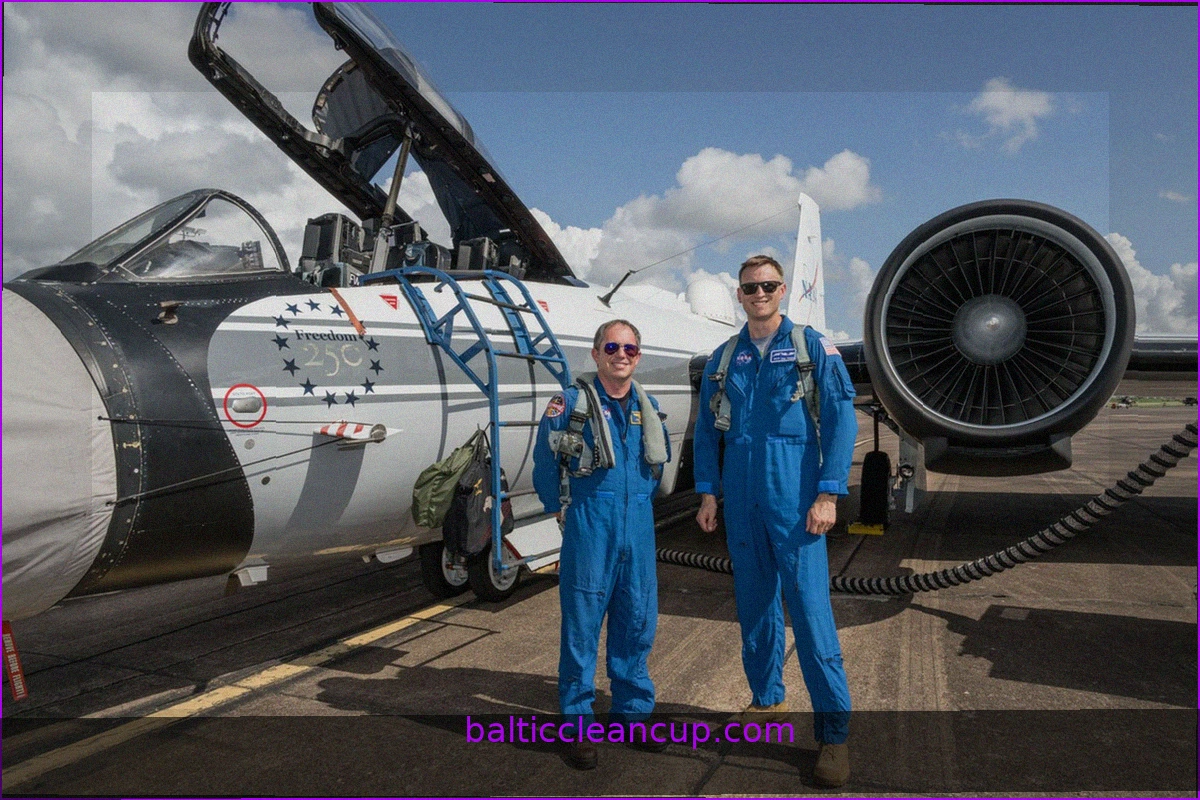
NASA Johnson Pilots Chase Moon’s Shadow for Eclipse Science
During the total solar eclipse on August 12th over Europe, scientists sought to unravel a persistent enigma: why the Sun's outer atmosphere, the corona, is significantly hotter than its visible surface. To gather the necessary data, precise timing and location were paramount. Pilots from

Building Foresight for Earth Science: Lindsey Jacobson's Role in NASA
NASA's Earth-observing satellite missions diligently track numerous planetary changes, including aerosols, sea levels, land cover, and cloud cover, over extended periods. Maintaining the integrity of this crucial data for scientific and operational users necessitates more than just engineering
NASA to Announce LunaRecycle Challenge Winners at University of Alabama
NASA is set to unveil the champions of its LunaRecycle Challenge on Friday, August 28th, at The University of Alabama (UA) Lee Styslinger College of Engineering in Tuscaloosa, Alabama. This challenge, initiated in 2024, aims to foster the creation of novel recycling systems crucial for managing
New Next-Gen Dish Boosts NASA's Deep Space Communication Capabilities
NASA has significantly enhanced its deep space communication and navigation infrastructure with the addition of a new 34-meter (114-foot) radio frequency antenna at its Goldstone facility in California. This cutting-edge dish is now part of a global network of large antennas that supports over 40