

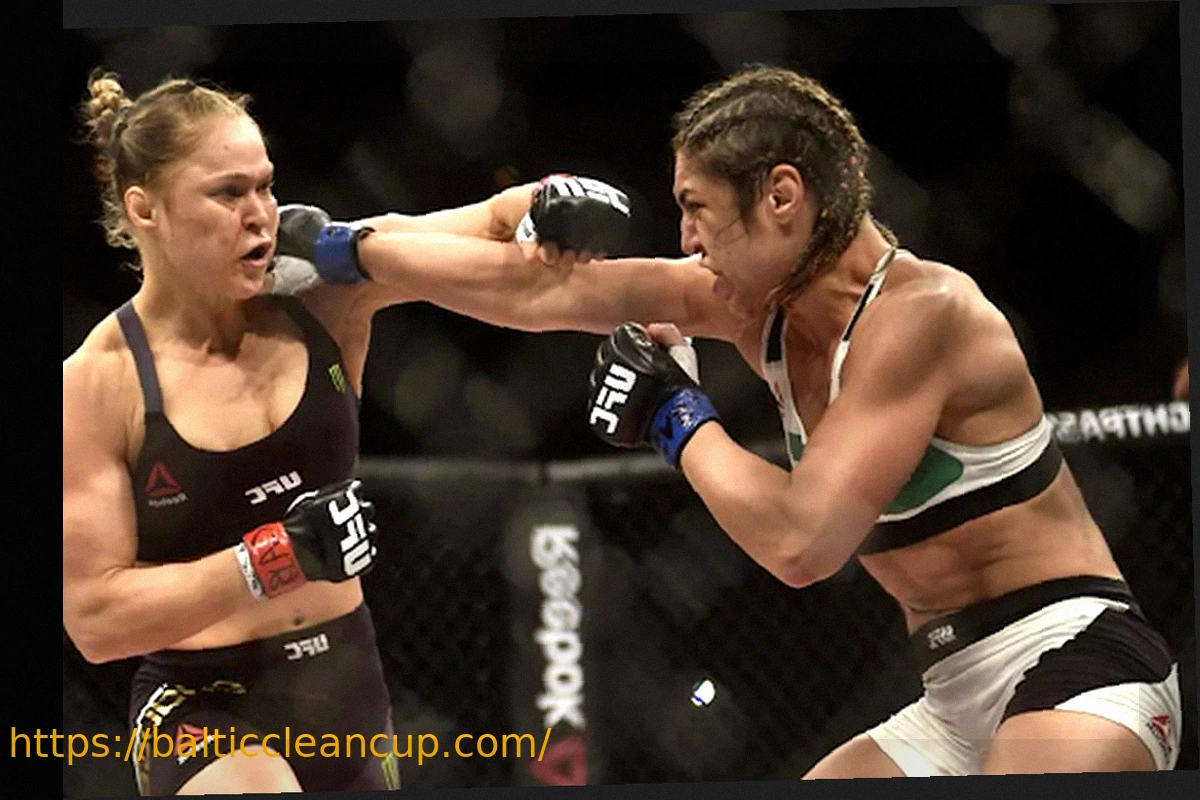
Mixed martial arts is widely recognized as the most physically and mentally demanding combat sport globally. To excel professionally, athletes must possess mastery across diverse disciplines – boxing, wrestling, and grappling – and seamlessly integrate them under immense pressure. The evolution of MMA training over the past two decades has transformed it from a disparate collection of martial arts into a sophisticated, science-driven system focused on skill development, physical conditioning, and psychological fortitude.
Understanding these advanced training methodologies is crucial not only for aspiring professionals but for anyone seeking a purposeful and intelligent approach to combat sports training.
1. Striking: Mastering the Stand-Up Art
Striking forms the cornerstone of a fighter’s stand-up game. Professional fighters develop a layered approach, drawing from various striking arts. Boxing provides essential techniques for hand combinations, evasive head movement, footwork, and maintaining optimal distance. Muay Thai contributes devastating elbows, knees, and the clinch, allowing for close-range control and damage. Kickboxing integrates powerful leg strikes that can debilitate an opponent over multiple rounds. Key training methods include pad work with coaches to hone speed, precision, and power; shadow boxing to perfect technique and fluidity; heavy bag work to build strength and endurance; and sparring to test and refine skills under competitive conditions. Elite gyms often structure sparring to focus on individual disciplines before full MMA integration.
2. Wrestling: Dominating the Fight’s Location
Wrestling is arguably the most critical discipline for MMA success, offering the ability to dictate the fight’s environment. Mastery over takedowns, defense against takedowns, and positional control on the ground provides a significant strategic advantage. Professionals train in both freestyle and Greco-Roman wrestling, often incorporating judo for its effective hip throws and trip takedowns. The clinch is a vital battleground where techniques from Muay Thai, wrestling, and judo are blended for effective control and transitions. Core wrestling training involves takedown drills, sprawl practice for defense, and positional sparring. Grip strength is paramount for controlling opponents and executing techniques. Gyms like the American Kickboxing Academy (AKA) are renowned for their wrestling-centric approach, producing dominant fighters.
3. Brazilian Jiu-Jitsu: Excelling on the Ground
While wrestling determines where a fight takes place, Brazilian Jiu-Jitsu (BJJ) governs what happens on the ground. BJJ focuses on positional dominance, submission grappling, and control through chokes and joint locks. Professional fighters train both gi and no-gi BJJ. No-gi training, more akin to actual MMA scenarios, emphasizes speed and explosive transitions, while gi training builds technical depth and grip-fighting skills. Drilling specific techniques repeatedly is fundamental to embedding them into muscle memory, enabling seamless application during intense combat. Live rolling, or ground sparring, translates drilled techniques into practical skills. Elite BJJ practitioners like Demian Maia and Charles Oliveira demonstrate the fight-ending potential of superior ground skills.
4. Strength and Conditioning: Building the Fighter’s Engine
Technical prowess is rendered ineffective without the physical capacity to execute it late in a fight. Modern MMA conditioning is a sophisticated fusion of strength training, power development, and energy system optimization. Research highlights that strength, power, and anaerobic capacity are key differentiators at higher levels of combat sports. Fighters focus on compound movements like squats, deadlifts, and presses to build functional strength, prioritizing agility and speed over sheer size. Conditioning targets both aerobic capacity (sustained effort) through steady-state cardio and anaerobic capacity (explosive power) via high-intensity interval training (HIIT) and sprints. Sport-specific training, even in short, intense bursts, has been shown to significantly improve key performance metrics.
5. The Fight Camp: Strategic Preparation
Professional MMA training is structured around fight camps – intensive 8-10 week preparation periods for a specific opponent. During these camps, training intensity increases across all disciplines, sparring frequency rises, and game planning becomes paramount. Fighters and coaches meticulously analyze opponents to devise strategies that exploit weaknesses and minimize risks. Outside of fight camps, training shifts towards skill refinement, physical improvement, and recovery. This periodization, the planned variation of training intensity and focus, is vital for long-term career sustainability.
6. Mental Conditioning: The Unseen Advantage
The mental preparation of an MMA fighter is as crucial as their physical and technical training. As technical gaps narrow, the “mental edge” becomes a decisive factor. Professional fighters work with sports psychologists, meditation instructors, and performance coaches to cultivate mental resilience. Techniques like visualization, where fighters mentally rehearse upcoming bouts, are standard. Cognitive reframing teaches athletes to perceive pre-fight nerves as readiness, altering their physiological response. Breathing regulation techniques help manage stress and maintain composure. These mental skills, including managing adrenaline, staying composed after significant impacts, and making clear tactical decisions under duress, are deliberately trained.
7. Recovery: Essential for Progress
Intelligent recovery is an integral part of elite MMA training, allowing the body to adapt, consolidate skills, and mitigate injury risk. Key recovery modalities include adequate sleep, strategically timed nutrition, active recovery sessions (like swimming or yoga), and therapeutic bodywork. Mobility and flexibility training are vital for maintaining the range of motion required for complex techniques and preventing injuries. Consistency in recovery practices is paramount, as even short breaks can lead to performance detriments. The most successful professional fighters are those who train intelligently and consistently over long periods, prioritizing their body’s well-being.
Conclusion
The distinction between professional MMA training and amateur practice lies not in secret techniques, but in the integrated, consistent, and intelligent application of fundamental principles. Mastery involves seamlessly blending diverse martial arts under pressure. The top MMA training techniques – striking, wrestling, BJJ, conditioning, mental fortitude, and recovery – are demanding to combine and sustain at a professional level. Aspiring fighters should focus on consistent effort, addressing weaknesses, and trusting the cumulative impact of intelligent, sustained training to achieve results that transcend individual training sessions.