
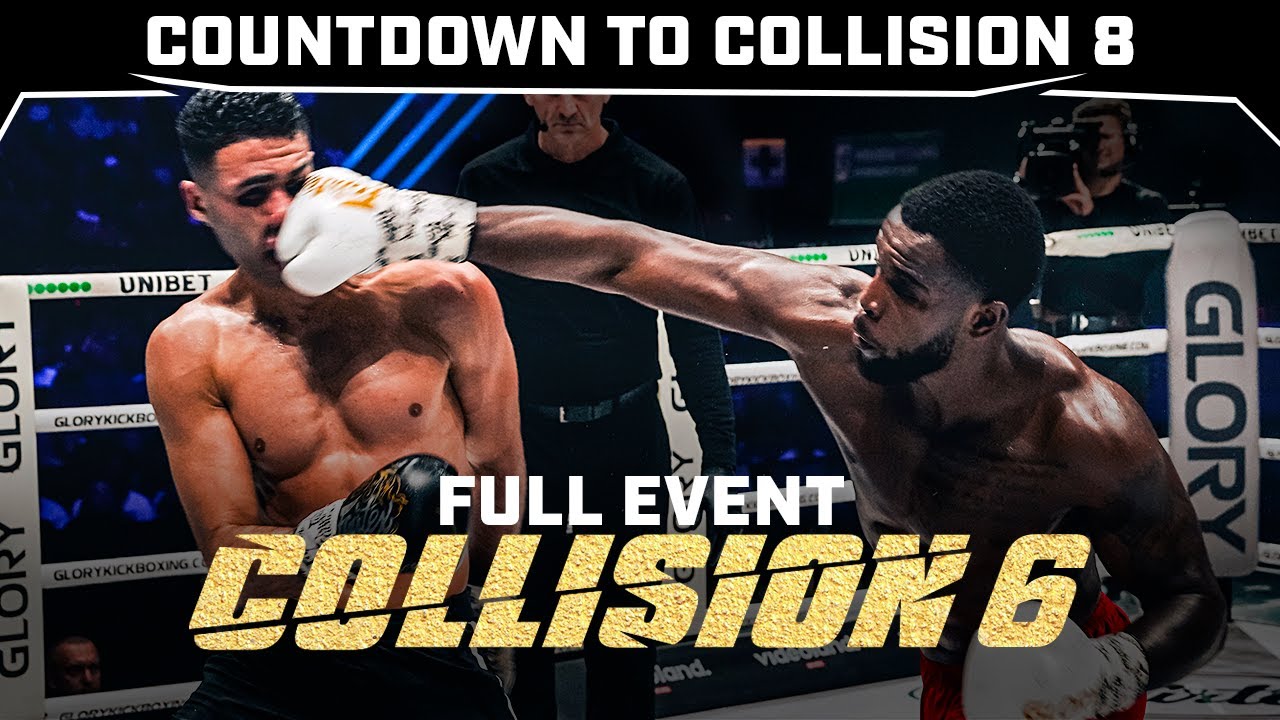
The city of Rotterdam is the established epicenter for high-stakes kickboxing, and GLORY Collision 8 solidifies this reputation by delivering an exceptionally dense fight card focused heavily on structured tournaments and pivotal heavyweight clashes. This event is not merely a collection of bouts; it is an organized gauntlet designed to test endurance, technique, and strategic depth across multiple weight classes.
The Heavyweight Wildcard: Scale and Strategy
The primary narrative thread of Collision 8 focuses on the “Last Heavyweight Standing Wildcard” bouts. Unlike title defenses, these fights are designed to inject immediate, high-octane excitement into the division, pitting established names against dangerous contenders.
Main Event: Plazibat vs. Mahieddine
The headline attraction pits Antonio Plazibat against Nordine Mahieddine. Plazibat, registering at 118.7 kg (262 lbs), carries a significant mass advantage over Mahieddine, who weighed in at 105.4 kg (232 lbs). This substantial disparity—over 13 kilograms—forces a distinct tactical challenge. For Mahieddine, success hinges on movement and volume; for Plazibat, the goal is utilizing his immense physical presence and technical pressure to minimize the number of rounds required. The stakes are clear: the winner establishes immediate relevance in the upper echelon of GLORY heavyweights.
Co-Main Event: Zimmerman vs. Simon
The co-main event offers a true clash of giants, arguably pushing the limits of the ring structure itself. Errol Zimmerman (128.7 kg / 284 lbs) faces Alex Simon (139.2 kg / 306 lbs). Simon, approaching 140 kilograms, possesses an extraordinary gravitational advantage. Zimmerman, a veteran known for his explosive power, must navigate the output and sheer force generated by such a physically imposing adversary. This matchup is less about finesse and more about surviving the inevitable impact exchange.
The Tournament Gauntlet: Welterweight and Light Heavyweight Dynamics
Beyond the single-fight heavyweight drama, Collision 8 implements a high-pressure, single-night tournament format across two divisions. This structure demands not only victory but calculated energy conservation, as fighters must prepare to compete multiple times within a few hours.
Welterweight Tournament Semi-Finals
The Welterweight division (maximum 77 kg / 170 lbs) features critical semi-final matchups. The reigning divisional champion, Endy Semeleer (76.0 kg / 167 lbs), begins his path against Don Sno (77.0 kg / 170 lbs). Simultaneously, Chico Kwasi (76.4 kg / 168 lbs) battles Teodor Hristov (76.3 kg / 168 lbs). The proximity of their weights suggests maximum competitive balance, where conditioning and corner advice will outweigh pure physical size. The winner of this tournament earns both prestige and a confirmed position at the top of the division`s hierarchy.
Light Heavyweight Tournament
The Light Heavyweight division follows a parallel structure, setting up clashes that focus on explosive power within the 95 kg limit. Key bouts include Milos Cvjeticanin vs. Cem Caceres, and Michael Boapeah vs. Iuri Fernandes. Notably, the reserve bouts (Luis Tavares vs. Ismael Lazaar) underscore the promotion’s preparedness for potential injuries, ensuring the final structure of the tournament remains intact—a pragmatic technical necessity in combat sports.
Velocity and Precision: The Featherweight Contingent
The undercard provides necessary contrast to the heavyweight kinetics, showcasing the technical speed of the Featherweight (65 kg / 143 lbs) division. These “Last Featherweight Standing” bouts rely on meticulous weight cuts and peak cardiovascular performance. Petch vs. Dennis Wosik is a prime example of high-level international striking, demanding high volume and acute defensive precision. Similarly, bouts involving Miguel Trindade, Bobo Sacko, Abraham Vidales, and Achraf Aasila confirm the depth of global talent operating at high velocity.
GLORY Collision 8 serves as a comprehensive demonstration of the sport`s multifaceted nature, offering the raw power of the heavyweights alongside the intricate technicality of the tournament formats. It is an event engineered for immediate competitive impact, setting the strategic direction for the organization`s divisions for the remainder of the calendar year.